Reading Response #1
Understanding Exposure & Why Art Photography PAGE 1 - 12
1.1 Understanding Exposure
The first reading, “Understanding Exposure”, introduces different aspects of exposure and the importance of lights in photo shooting. The author, Bryan Peterson, first defines exposure as “the amount, and act, of light falling on photosensitive material” (14), and explains that the exposure should be “correct” - that is, a simple combination of the “photographic triangle” (16) - or better said, “creatively correct” (30), the one combination that makes the photo interesting.
The rest of the book focuses on the more technical aspects, as Peterson goes on explaining the concepts of aperture - or the depth of field, “the area of sharpness within a photograph” (42) and the shutter speed that “controls the effect of motion” (80). He also discusses the use of lights - for instance, the best light often occurs in the early morning or early evening (104), and different types of lighting including frontlight, overcast frontlight, sidelight and backlight. Lastly, he discusses the special techniques - the filters, the High Dynamic Range exposures (HDR), and the flash. Overall, Peterson emphasizes the relationship between aperture, shutter speed, and exposure, and demonstrates that different combinations of the three would lead to various effects in photography.
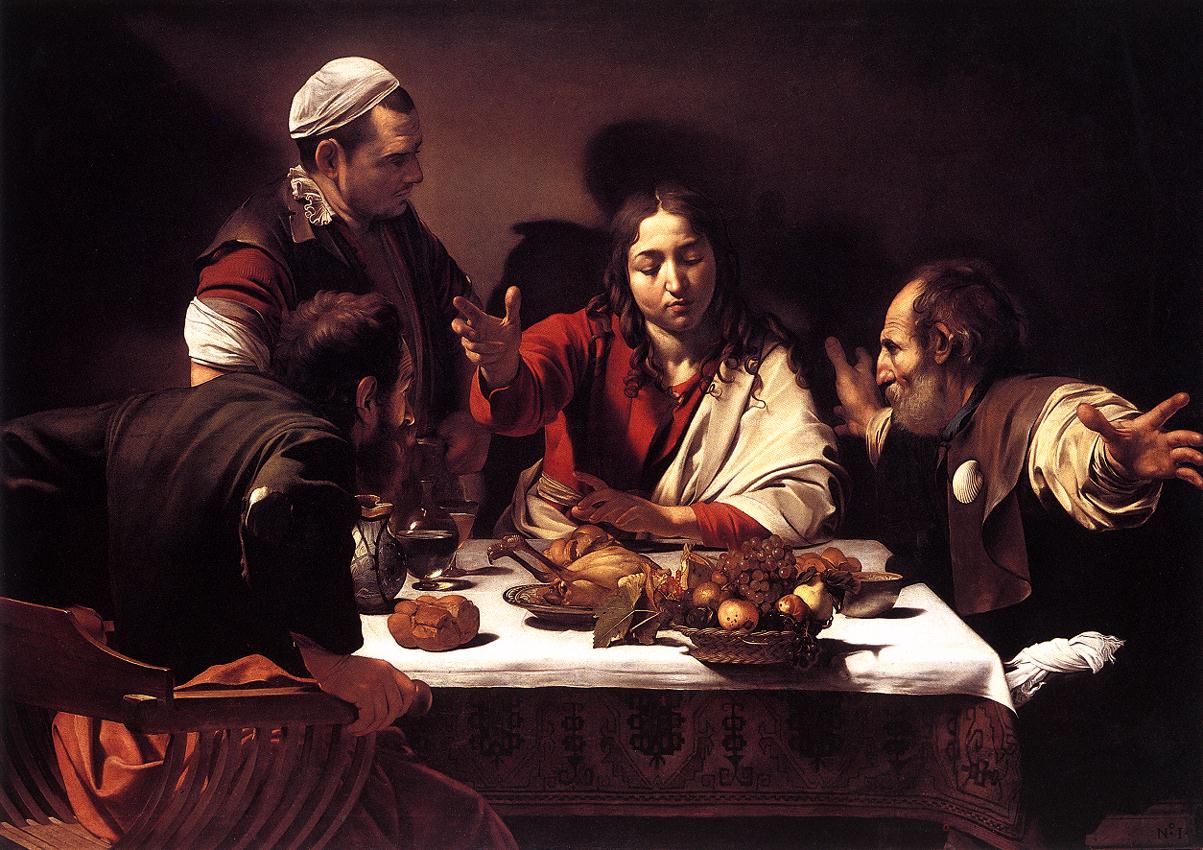
This reading is really engaging and relatively easy to read as Peterson incorporates the photographs to support his ideas, which is really effective in demonstrating the relationship between aperture, shutter speed, and ISO, therefore helps me a lot in understanding the more technical concepts. I like how he stresses the importance of lights, as I personally believe that light and shadow plays a vital role in photography - that in some sense, photography can be seen as the art of light. His book also reminds me of a technique called Chiaroscuro, which is the use of strong contrast between light and dark - for instance, the Italian painter, Caravaggio, is known for the use of dramatic Chiaroscuro. In his paintings, he would vividly illustrate the scenes with meticulous use of lightings - while darkening the shadow, the subjects would nicely stand out in the light, just as shown in the artwork below.
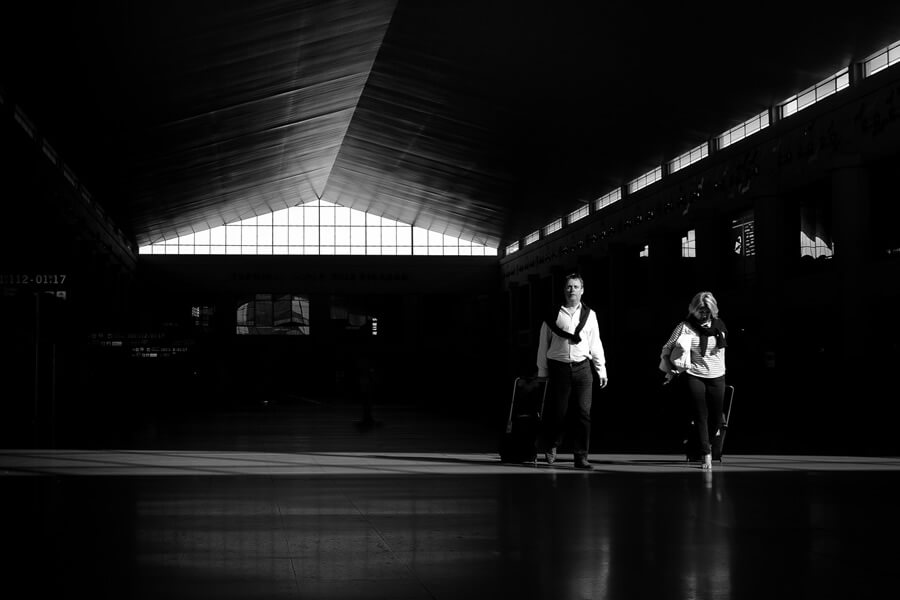
This technique is also commonly utilized in photography - for instance, Hernán Piñera, in his work “Airport”, incorporates a great use of light and shades - the strong contrast contributes to the tone while placing an emphasis on the objects, making this a beautiful shot of the scene at the airport.
1.2 Why Art Photography Page 1-12
The second reading, the introduction to “Why Art Photography”, examines how photography “fits into the bigger picture of contemporary art and culture” (1). The author, Lucy Scoutter, traces the concepts of art photography to its origin - historically photographs have been created to be read as art; yet in the modern context, the idea-as-art becomes more prevalent. For the postmodernists, photography was a perfect medium for enacting “postmodern critiques of representation”: “The photograph is a place of work, a structured and structuring space within which the reader deploys, and is deployed by, what codes he or she is familiar with in order to make sense”. (4)
Scoutter also discusses the cultural significance of photographic works from different perspectives, as she reflects on the importance of context as well as the art value of photography. According to Scoutter, “photographic aesthetics read differently depending on their cultural context” (6), the conversation about art photography is international and varies in different cultures. In the end as she refers back to the handbag question that was brought up in the very beginning, Scoutter addresses the art value of photography: “The manifold forms of art photograph share a language, history and body of ideas far richer than handbags can ever hope to achieve” (12), once again showing the significance of art photography.
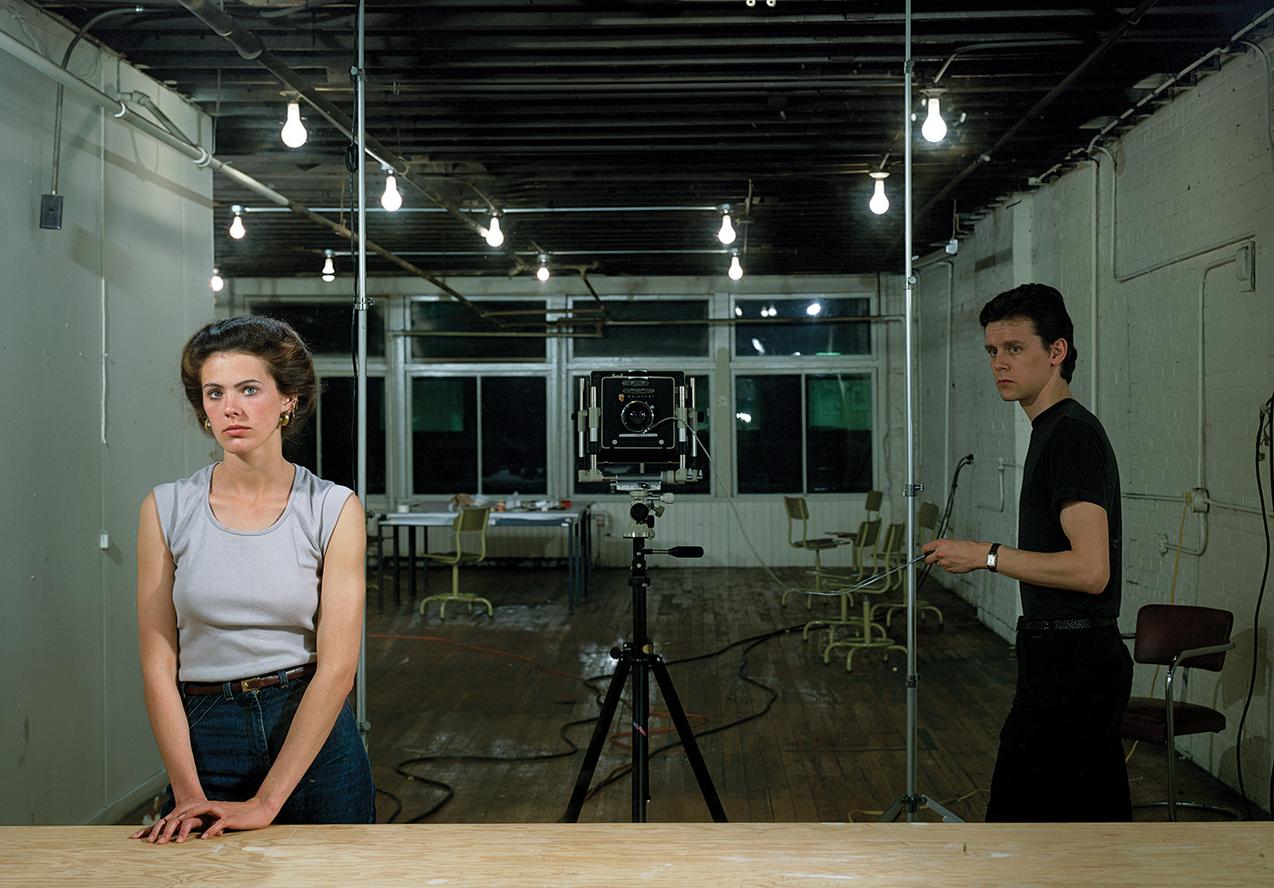
I had a harder time reading and understanding this article; it is much more difficult to read as the topic itself is more abstract while the use of language is more complicated with a lot of terms that I am not familiar with. While this is a challenging piece, it is still intriguing and thought-provoking - the author has brought up lots of really interesting ideas while addressing different artists as examples. For instance, on page 5, Scoutter states that the visual aspects have persisted despite the idea-as-art, just as Jeff Wall, who pioneered the use of lightbox “to heighten the visual appeal of his large stage tableaux” (5). In his photographic work, “Picture for Women”, a cibachrome transparency mounted on a lightbox - the figures are reflected in the mirror, with the lightbulbs adding on to the spatial depth, creating aesthetic values while conveying his ideas.