Reading Response #2
Why Art Photography PAGE 13 - 28 (Chapter 1 Hybrid Genres: Portraiture)
2.1 Why Art Photography Page 13-28
This chapter specifically focuses on the topic of portraiture with hybrid genres – in other words, works with human figures in the foreground while overlapping with other art or non-art genres. In traditional portraiture, the main focus would be the individual depicted; yet modern photographers employ hybrid forms of recognizable genres – or, “the set of codes used to identify and classify different forms of cultural production”(13) – resulting in images with “clearly available subject matter” but also layers of “conceptual subtext” (16).
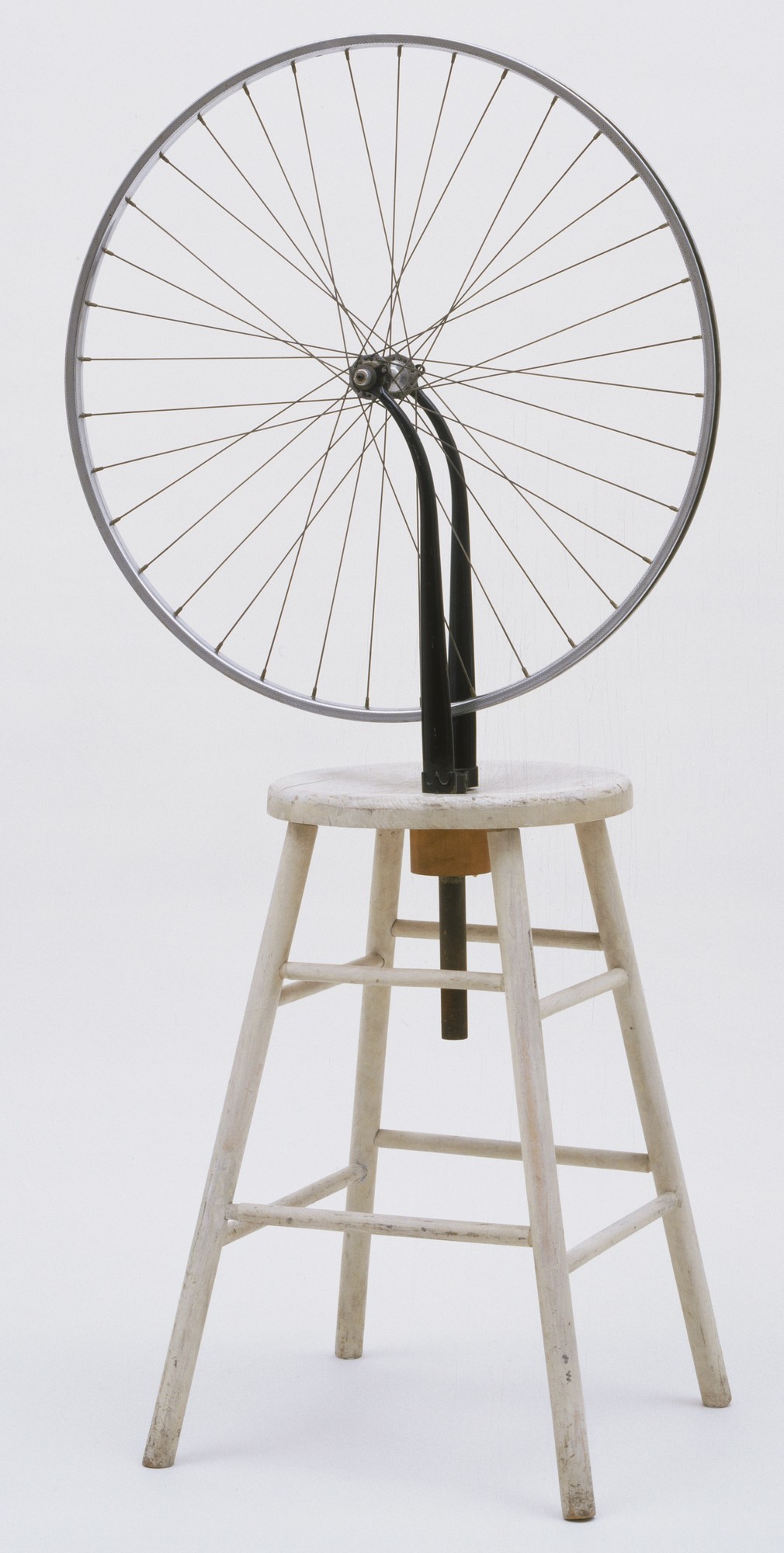
According to Lucy Scoutter, there are three key developments in the history of art that are relevant to contemporary art photography. She discusses the significance of each - the Marcel Duchamp’s readymades, which involves “choosing a non-art object, tilting it and insinuating it into an art context” (18), allows for the possibility of assigning art value to any photographic image no matter how insignificant; the conceptual art of the 1960s often relies on external narratives, and broadens “Duchamp’s investigation of art object and art context to include all areas of life” (22); on the other hand, in the postmodern paradigm, “meaning is produced by the work rather than presented”, and work is read “in relation to the codes of contemporary culture” (27). All three movements contribute to the ambiguity in contemporary art as she discusses in the end - what is seen as “artistic failure” in the past is now regarded as “openness” (27): contemporary photography embraces all forms of ambiguity, either in the subject matter, or moral ambiguity, or most commonly the ambiguity of meaning as different interpretations exist.
This chapter introduces lots of interesting ideas, for instance, when discussing the subtext and backstories that the texts are “indispensable to the full appreciation of the work” (16), I found myself relating a lot as I would always take a look at the introductory text panels in the exhibitions which are really helpful to interpreting the artworks. I also really like the idea that any photographic image can be assigned art value, so I decided to explore more of Marcel Duchamp’s readymades, in which he turns ordinary objects, that are not commonly associated with art, into art. The “Bicycle Wheel”, one of his first readymades, is a kinetic sculpture consisting of a front wheel mounted upside-down on a wooden stool. Although seemingly insignificant in art values, Duchamp appreciates its calming effects as he says, “I enjoyed looking at it, just as I enjoyed looking at the flames dancing in a fireplace.” This idea of giving art values to non-art objects really appeals to me, as art can exist everywhere surrounding us.